Sítá
RamayanaSítá is Ráma’s beloved wife, described as dear to him as his own life. Her abduction turns private loss into the driving cause of the search for her and the conflict with Rávaṇ; her eventual restoration is accompanied by testimony that she was carried away by force and that her heart never left Ráma. The passages portray her through both the devotion others express toward her and the moments when she speaks for herself.
Identity and Place in the Story
The poem introduces Sítá within the closest circle of Ráma’s affections: she is his darling wife, loved as he loves his life. The brief description also associates her with auspicious marks, presenting her as blessed even as the narrative moves toward danger and separation. This emphasis on the marriage makes her later absence more than a change in circumstance. It is a rupture in the life Ráma values most.
Sítá is also identified by her connection to the Videha kingdom, through the description of her as its Maithil lady. The title situates her within a royal world, while the account of her captivity makes clear how little that status can protect her once Rávaṇ has taken her. In the evidence available here, her identity is therefore held between two conditions: cherished wife and captive far from Ráma.
Abduction and Ráma’s Grief
The account places Sítá’s abduction amid a sequence of escalating conflict. The fall of Khara and Triśirá precedes Rávaṇ’s call for vengeance; Márícha is then described as doomed, and the poem names the seizure of the Maithil lady. The compressed sequence makes Sítá’s loss a consequence of the wider struggle, while also marking it as the act that gives Ráma’s anger its personal force.
After she is taken, Ráma grieves for Janak’s child as one torn forever from his loving arms. The language dwells on separation: Sítá is not present, and Ráma’s sorrow gives emotional weight to the search that follows. Elsewhere, the narrative describes him weeping and lamenting without success. His distress is not merely a report of loss; it explains why finding her becomes an urgent aim.
When Ráma presses the Vánar monarch for help, he asks that the search for his lost Sítá continue and that she be found if she is still alive. The condition registers the uncertainty surrounding her fate, while the request turns grief into a practical objective. Sítá’s captivity thus connects the personal bond between the couple to the wider action of allies organizing a search.
Captivity and the Search
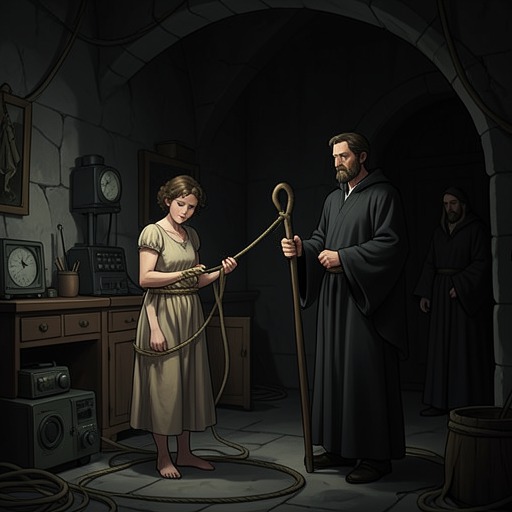
The search reaches Sítá in the Ashoka Garden in Lanka. Hanumán enters the garden and finds Ráma’s captive wife there; he seeks conversation with her and gives her the ring he has brought. The meeting is a concentrated point of recognition within the larger separation: the search has reached its intended person, and the ring provides a concrete token in an encounter otherwise defined by distance from Ráma.
The passage gives the meeting a deliberate order: Hanumán finds her, approaches her, speaks with her, and presents the ring. Sítá is not simply a destination reported by the searchers; she is the person Hanumán addresses. Yet the account here gives few details of her words in that encounter. Its emphasis falls instead on the fact of contact and on the ring’s arrival, which links the captive in Lanka to the husband seeking her.
Voice, Vindication, and Restoration
A later canto is devoted to Sítá’s reply. The surrounding lines describe her as overcome with shame and shrinking back. That response is evidence of the emotional pressure in the scene, but it should not be mistaken for an admission of wrongdoing: the subsequent divine testimony explicitly states that Rávaṇ carried her away by force and that her heart had never turned from Ráma, in word, deed, look, or thought.
The poem therefore places her own reply beside an authoritative defense of her fidelity. The contrast matters: Sítá’s visible distress does not settle the question of her conduct. Instead, the divine speaker supplies a clear account of what happened to her and affirms the constancy of her heart. Her restoration is framed not only as reunion but as public vindication after captivity.
The canto titled Sítá’s Joy directs attention to the news of Rávaṇ’s death and the declaration that all is well. The later canto titled The Meeting turns from that news to the encounter with Ráma. These moments complete the movement from separation, through discovery and confirmation, to restoration. Sítá’s significance in the episode lies both in the affection that motivates the search and in the testimony that establishes the coercive circumstances of her captivity and her continuing fidelity.