StoryFlow
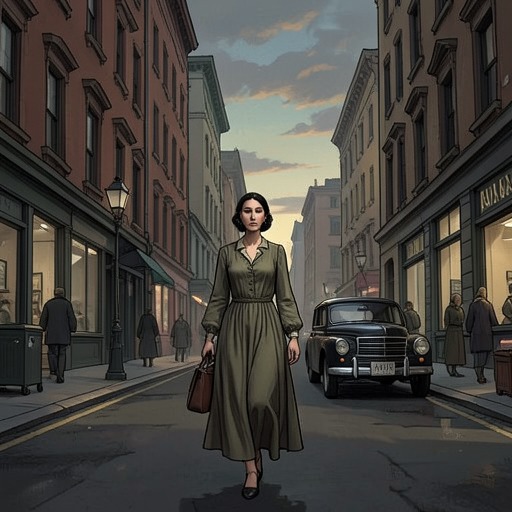
Aomamé Enters the Altered World
This flow traces Aomamé’s escape from a traffic jam into a reality whose history and sky no longer match her memories.
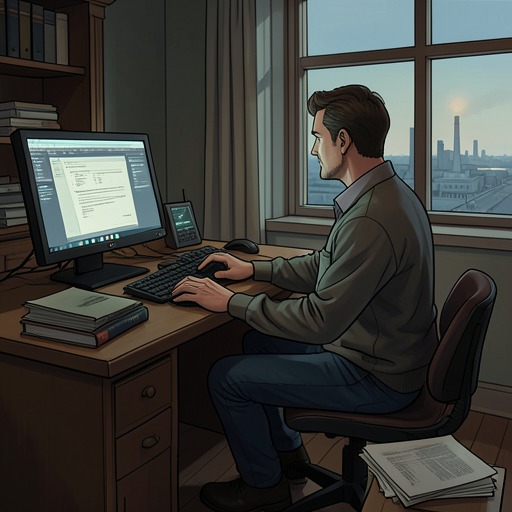
Tengo Rewrites Air Chrysalis
This flow follows Tengo’s transformation of Fukaéri’s strange oral story into a polished literary work and the consequences of that collaboration.
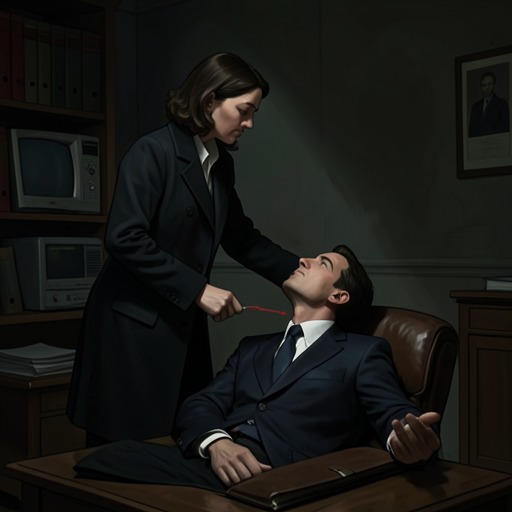
Aomamé’s Secret Mission
This flow traces Aomamé’s work for Madame, from a covert killing to the escalating mission against the hidden leader of the Pioneers.
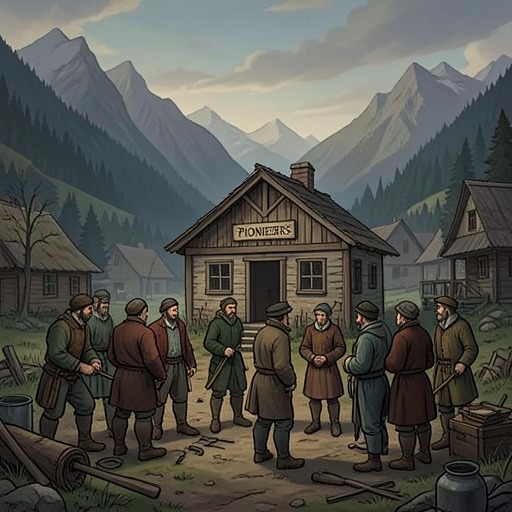
The Pioneers’ Transformation
This flow traces the Pioneers from a communal farming experiment through political division, armed conflict, and the emergence of a closed religious organization.
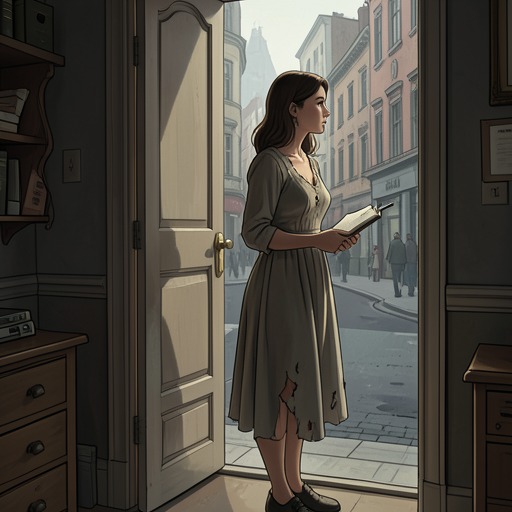
Fukaéri’s Passage from Refugee to Public Author
This flow follows Fukaéri from childhood confinement and escape into the uneasy public identity created by her prize-winning story.
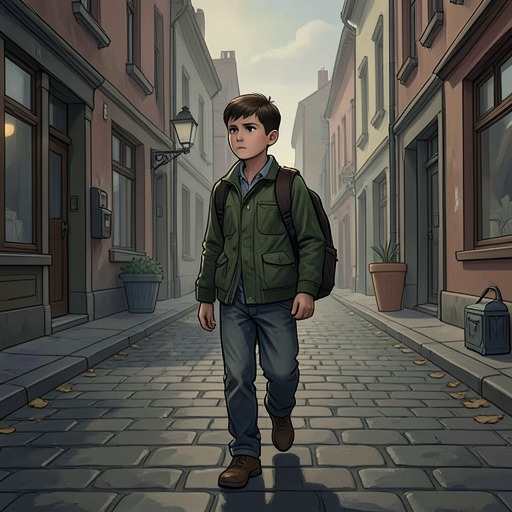
Tengo’s Childhood and Independence
This flow traces Tengo’s struggle to escape the Sunday collection rounds imposed by his father and the isolated life that shapes his adulthood.
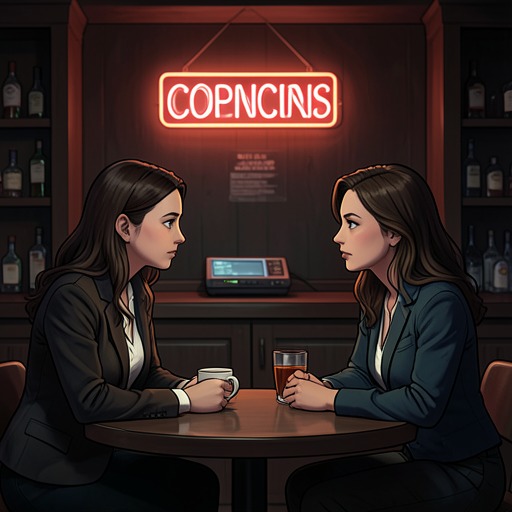
Aomamé and Ayumi’s Unexpected Friendship
This flow traces how two women with different lives recognize shared desires, disclose private harm, and form a brief but meaningful bond.
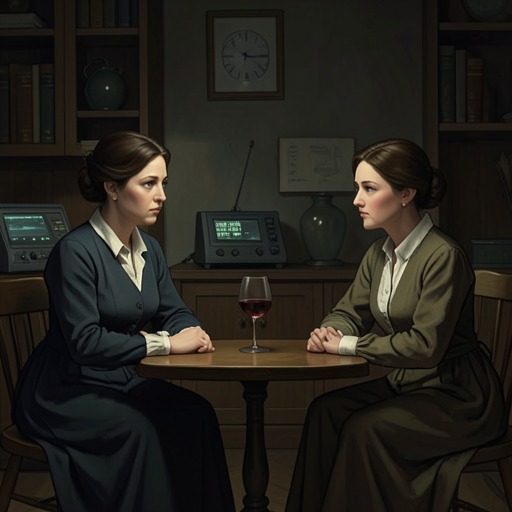
Aomamé and the Dowager’s Alliance
This flow traces the alliance formed through shared secrets, mutual trust, and a common commitment to protect women from abusers.

Ayumi’s Career within the Police
This flow follows Ayumi’s frustration with institutional limits and her conflicted effort to use police connections for a case she believes matters.
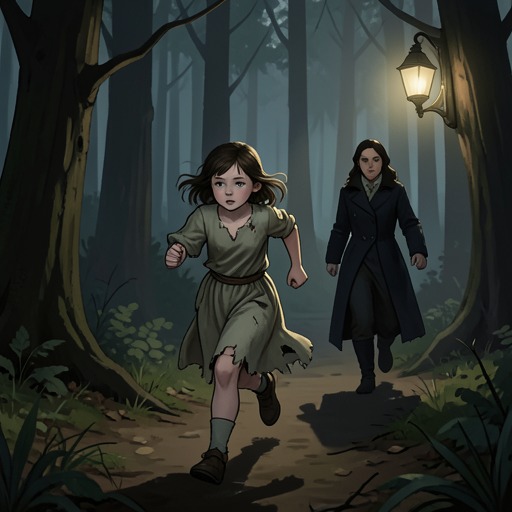
Tsubasa’s Escape and Shelter
This flow traces Tsubasa’s flight from the Pioneers, her physical and emotional condition, and Madame’s effort to give her safety.
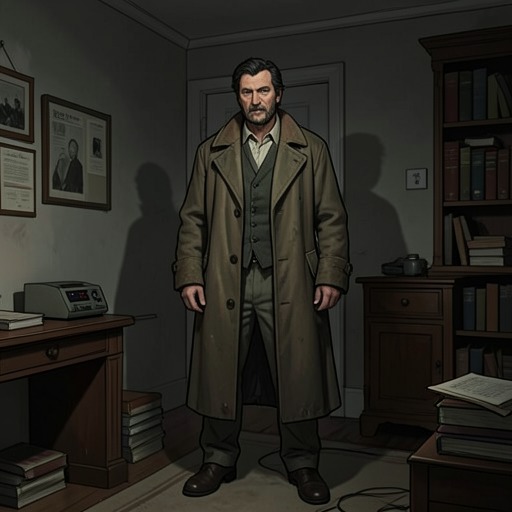
Tengo’s Father and the Inherited Past
This flow follows the contradictions in Tengo’s family history and the persistent memory that challenges his father’s account.
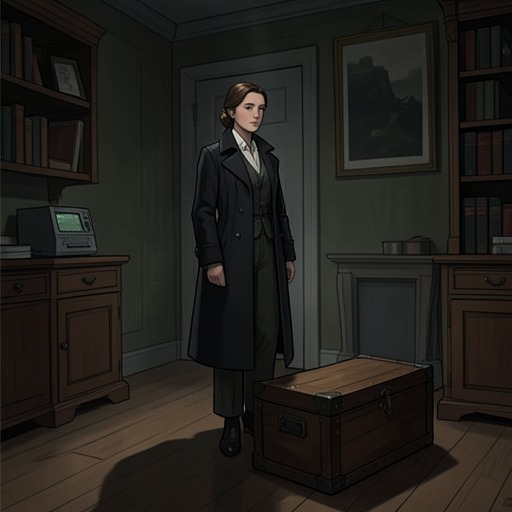
The Dowager’s Unfinished Grief
This flow traces Madame’s loss of her daughter and the way private mourning becomes a lifelong commitment to protect survivors.

Komatsu’s Calculated Gamble
This flow traces Komatsu’s pursuit of literary impact, his manipulation of the publishing process, and his growing uncertainty as the scheme expands.
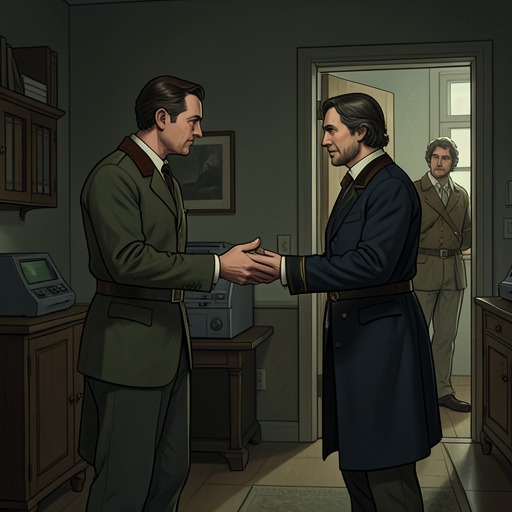
Tengo and Fukaéri’s Creative Bond
This flow traces the trust between Tengo and Fukaéri through collaboration, shared stories, and the distance created by her disappearance.
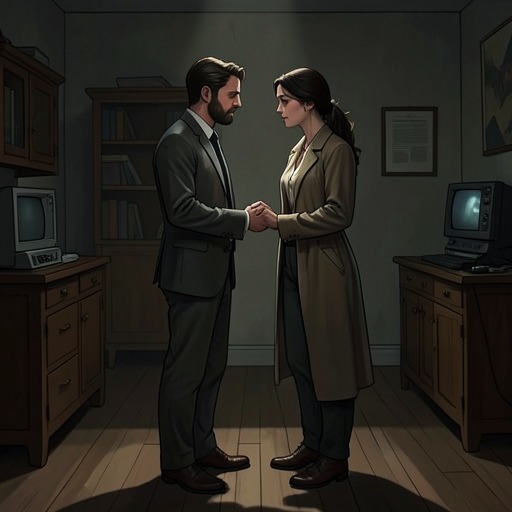
Aomamé and Tamaki’s Lasting Bond
This flow traces how Aomamé’s friendship with Tamaki becomes a lasting source of love, grief, and action.
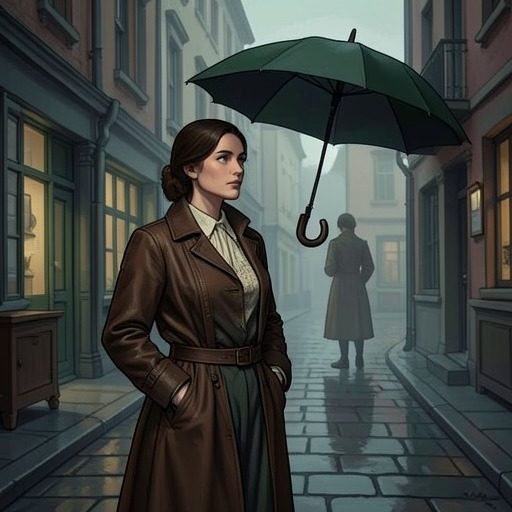
Aomamé’s Longing for Tengo
This flow traces Aomamé’s lifelong devotion to Tengo, preserved through memory and sustained by the hope of an accidental reunion.
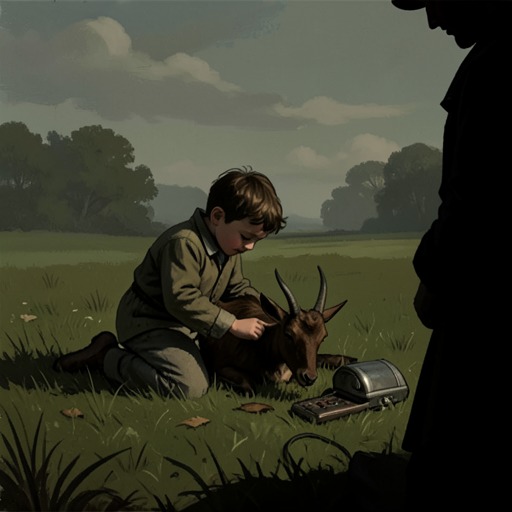
Fukaéri and the Little People
This flow traces Fukaéri’s connection to the Little People, from childhood encounters to the consequences of making their story public.
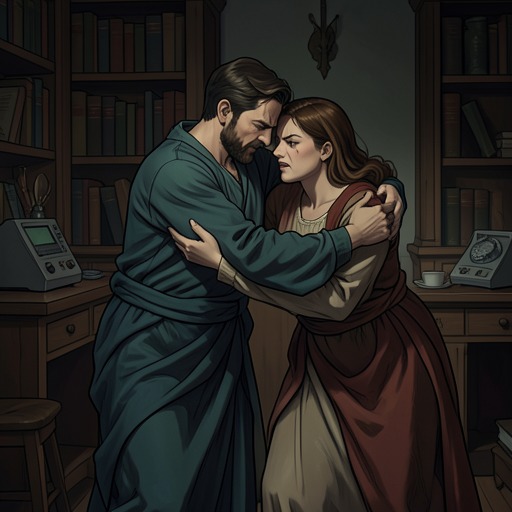
Tengo’s Relationship with His Older Lover
This flow traces the practical sexual arrangement Tengo maintains with an older married woman and the strain introduced by his creative and emotional upheaval.
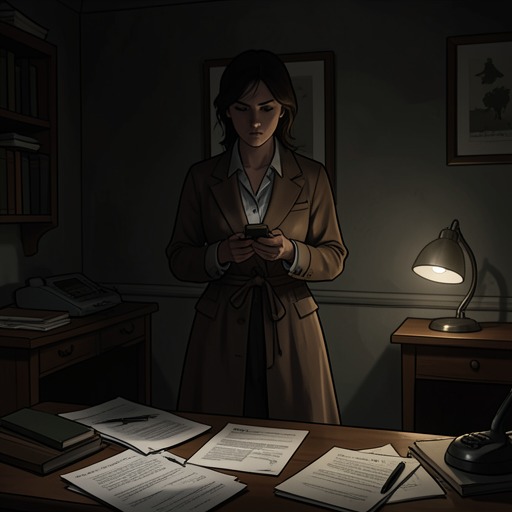
Aomamé’s Conflicted Justice
This flow traces how Aomamé’s belief in protecting victims evolves into a clandestine practice that leaves her wrestling with guilt, danger, and self-justification.
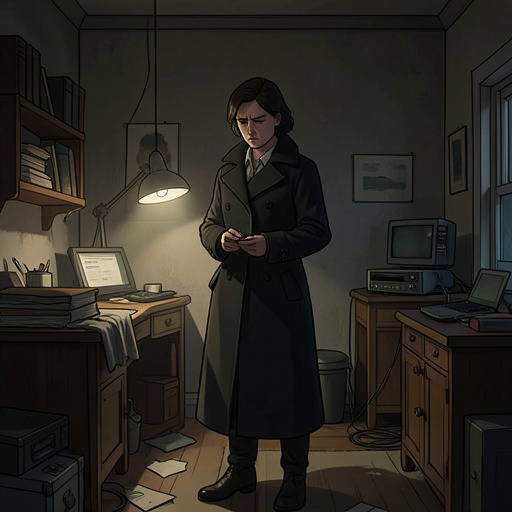
The Publishing Scheme Unravels
This flow traces the escalation of the secret rewrite from a calculated literary trick into a volatile public crisis.

Aomamé’s Unstable Reality
This flow traces the conflict between Aomamé’s trusted memory and a present that appears to have changed around her.
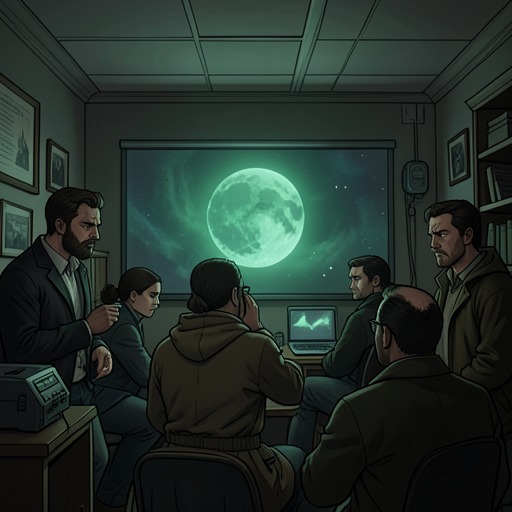
The Pioneers’ Secrecy Meets Publicity
This flow traces the conflict between the Pioneers’ controlled public image and Ébisuno’s attempt to use publicity to reveal what happened to Fukaéri’s family.
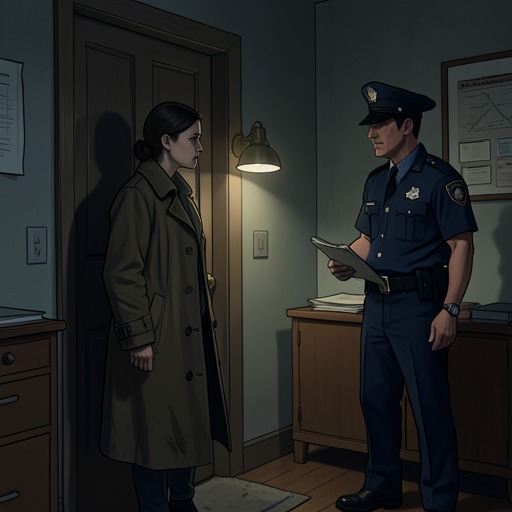
The Limits of Police Justice
This flow traces how institutional caution repeatedly leaves vulnerable people unprotected and pushes the protagonists toward private action.
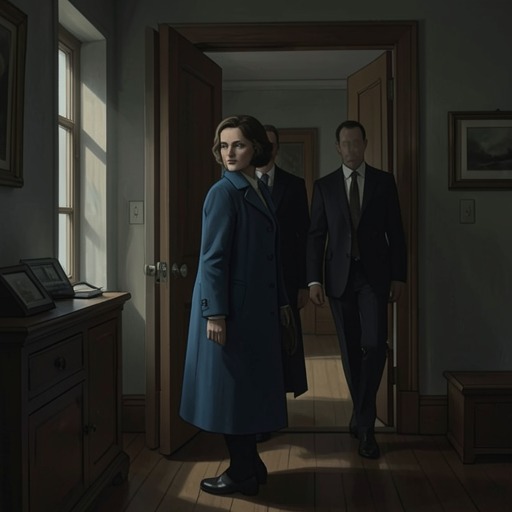
Memory, History, and the Self
This flow traces how personal recollection and public history shape identity when both become unreliable.
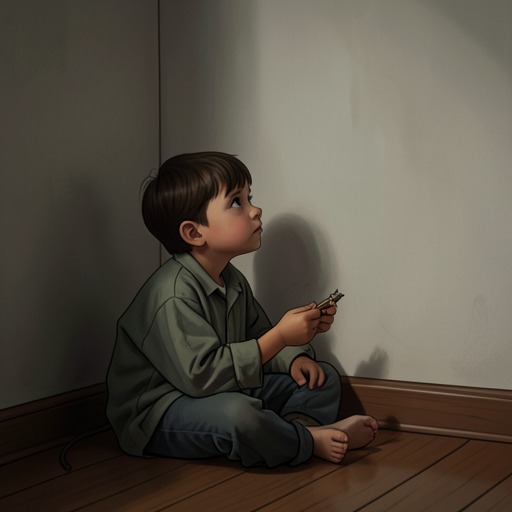
Powerlessness and the Search for Agency
This flow traces how characters respond to helplessness, from childhood constraint to action that may itself be morally dangerous.
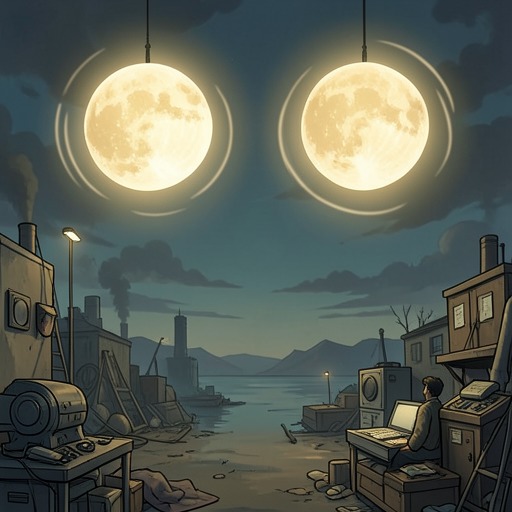
The Meaning of Two Moons
This flow traces the second moon from an impossible sight into a symbol linking altered reality, private perception, and the written story.
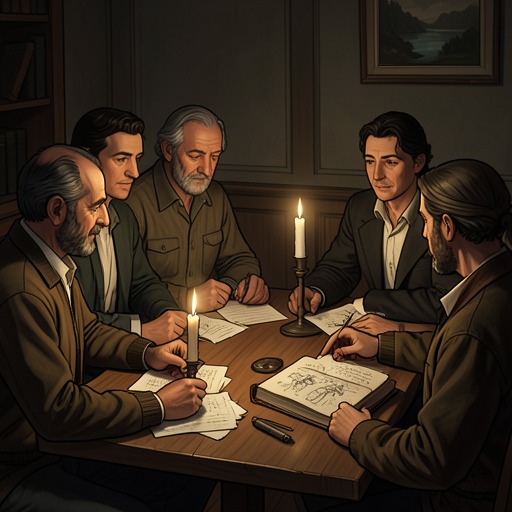
Stories That Cross Their Borders
This flow traces how oral memory, literary revision, historical records, and private recollection challenge who can control a story.

Nature, Bodies, and Human Design
This flow traces the novel’s recurring question of whether bodies and lives serve biological systems or exceed their purposes.

Roads, Routes, and the Cost of Adaptation
This flow traces roads and paths as competing models for how people move through imposed systems and unfamiliar worlds.
The Limits of Seeing and Knowing
This flow traces the novel’s repeated contrast between observation and understanding, as characters encounter evidence they cannot fully interpret.