Edgar-Jim Sel
BarkskinsEdgar-Jim Sel, called Egga, is a Mi’kmaw runaway from the Shubenacadie residential school who grows into a fisherman in the United States and spends much of his adult life trying to put his Mi’kmaw identity behind him. His escape saves him from the school but begins a long separation from his parents and siblings. Through his marriage to Brenda, their daughters’ questions, and a late exchange of family letters, that severed connection becomes something he can begin to approach again.
Background and the residential school
Egga is ten when his parents, Lobert and Nanty Sel, send him to Shubenacadie with his best friend, Johnny Stick. Lobert believes that education and literacy will give his son better prospects than cutting trees, and he and Nanty visit each month with food from home. They take pride in their son’s schooling, unaware that Egga is not receiving the education they imagine: the priests make him work in the furnace room, where he learns to read pressure gauges rather than attend lessons. He is insulted and mistreated; after a severe beating leaves him deaf in one ear and with an arm that heals badly, he understands himself as a captive rather than a student.
The school also separates Egga from the family’s knowledge of what is happening to him. His parents’ regular visits and their hope for his future make it difficult for him to tell them the truth. He plans to escape and considers asking Johnny to come with him, but never finds a private chance to do so. He leaves alone. When the school’s representatives arrive at Lobert and Nanty’s home looking for him, they search the log house repeatedly over many months. His parents are left without knowing where he has gone; as they later hear more about the school, they realize that they could not protect him from its harm.
Escape and a new life at sea
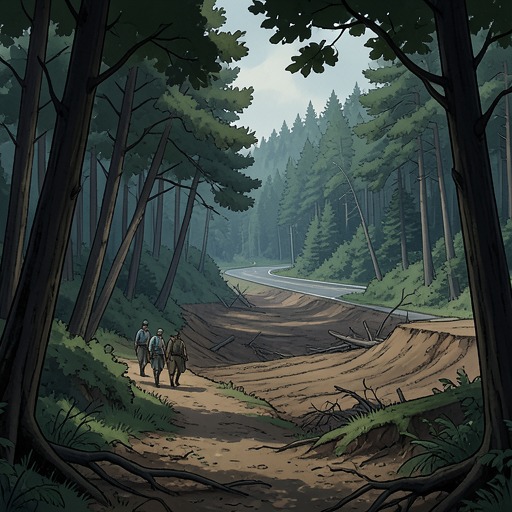
After leaving Shubenacadie, Egga is half-starved and ragged, traveling by night and sleeping by day. He heads south without knowing his destination, stows away on a fishing boat bound for Rockland, Maine, and resumes walking after slipping off the boat in darkness. Following the coast for weeks, he begs food or offers farm labor. At Barnstable, the smell of fish from a boat persuades him to ask for passage to Martha’s Vineyard. The fishermen give him food, and he finds work among them, first hauling traps for weakfish and whiting. Captain Giff Peake teaches him a few words; Egga is eager to work, though writing remains difficult.
He grows to adulthood aboard Peake’s boat. When Peake retires, Egga signs on to larger vessels fishing the cod-rich Georges Bank. As he builds a life at sea, he puts aside his Mi’kmaq identity and becomes, in the narrative’s terms, a hybrid person. At twenty-one he volunteers for U.S. military service but is rejected as an alien resident. He then applies for citizenship, meets and marries Brenda, a Wampanoag woman. His departure has taken him from the school, but it has also left him far from the family and community whose history he has tried to set aside.
Marriage, identity, and family
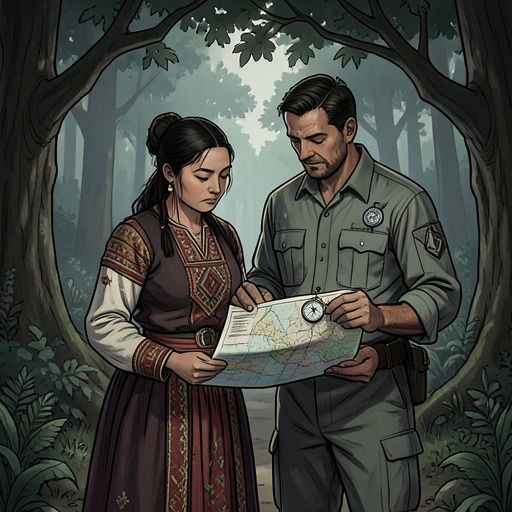
When Egga proposes, Brenda accepts while recognizing the historical conflict between their peoples: she tells him that she is marrying an enemy, referring to Mi’kmaw warfare against her people before the arrival of white settlers. Egga does not know this history. His startled response turns their marriage into an encounter with a past he has not been taught and an identity he has tried not to carry.
The two are an awkward match, and Brenda repeatedly believes that Egga does not understand her. She identifies his refusal to be Mi’kmaq as the central problem between them. Egga explains that being Mi’kmaw made his life painful, and that he has put that identity away. Brenda argues that neither ancestry nor the generations behind it can simply be discarded: their children, too, belong to the history he is refusing. Her position is shaped by her own Wôpanâak identity and by her hope for their two daughters, Marie and Sapatisia, whom she wants to grow up with a mixed inheritance of Wôpanâak and Mi’kmaw backgrounds, ideas, and possibilities.
Egga does not immediately accept Brenda’s argument, but he takes pleasure in his daughters’ boldness. Their confidence recalls for him the fear imposed on children at the residential school, and he likes seeing his own girls refuse to be subdued. Gradually, he begins telling Brenda and the children about his earlier life. When he gives them his parents’ names, Lobert and Nanty, they want to write to them and visit the family home at Shubenacadie. Their eagerness makes Egga wonder whether he, too, wants to know the relatives he has left behind.
Parenthood, separation, and the return of family ties
Brenda makes her daughters’ education a deliberate family priority. She wants them to attend university and promises to earn the money for it. She had once hoped to study linguistics, partly from a desire to help revive the Wôpanâak language, but her family could not afford that education. When Sapatisia begins school, Brenda takes the only work available to her, the night shift at a fish plant, and puts nearly all her pay into an education fund. She wants her daughters to have choices that were not available to her.
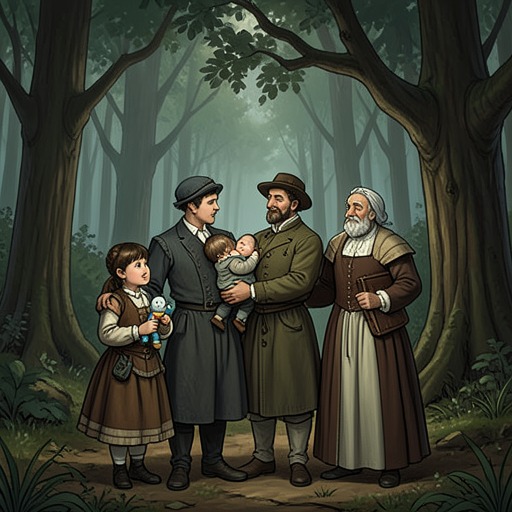
Egga’s estrangement from his family also means that he does not know about the younger siblings Lobert has with his second wife, Kate Googoo. After Nanty dies, Lobert marries Kate, and their children include Paul, Alice, and Mary May. Egga remains unaware of them while living on Martha’s Vineyard. This lost family knowledge makes the prospect of a reunion more than a matter of revisiting his parents: it could reconnect him with a broader household formed during his absence.
When Sapatisia is expelled from school, Egga recognizes the impulse behind her departure. He tells her he will not ask why because he knows why: she is like him when he ran away from the residential school. Sapatisia rejects the comparison, saying that she is different and has different reasons. She wants to go to Shubenacadie, meet the Sel family, and learn who she is. Her decision gives Egga a way to confront his own past through a daughter who seeks what he once escaped.
Letters and an unfinished homecoming
After Sapatisia visits her relatives, Lobert writes to Egga. He tells him that Sapatisia asked about the Sel family and its stories, notes that many years have passed since Egga left, and asks whether Egga or his other granddaughter Marie can visit. The school that harmed Egga has closed and burned, Lobert writes, and he invites his son to come home. The letters move Egga to tears. He replies that he and Brenda will come to Shubenacadie the next St. Anne’s Day, but the narrative records the plan rather than a completed reunion.
Egga’s life therefore does not resolve into a simple return. He has escaped the school, built a working life at sea, and married into another Indigenous community, while trying for years to distance himself from the identity tied to his childhood suffering. Brenda’s insistence, his daughters’ curiosity, and Lobert’s letters unsettle that rejection. His story holds together the costs of forced assimilation and the possibility of renewed kinship, while leaving the promised homecoming—and the full repair of the family’s long separation—open.